真实与自我:一张肖像的艺术表达
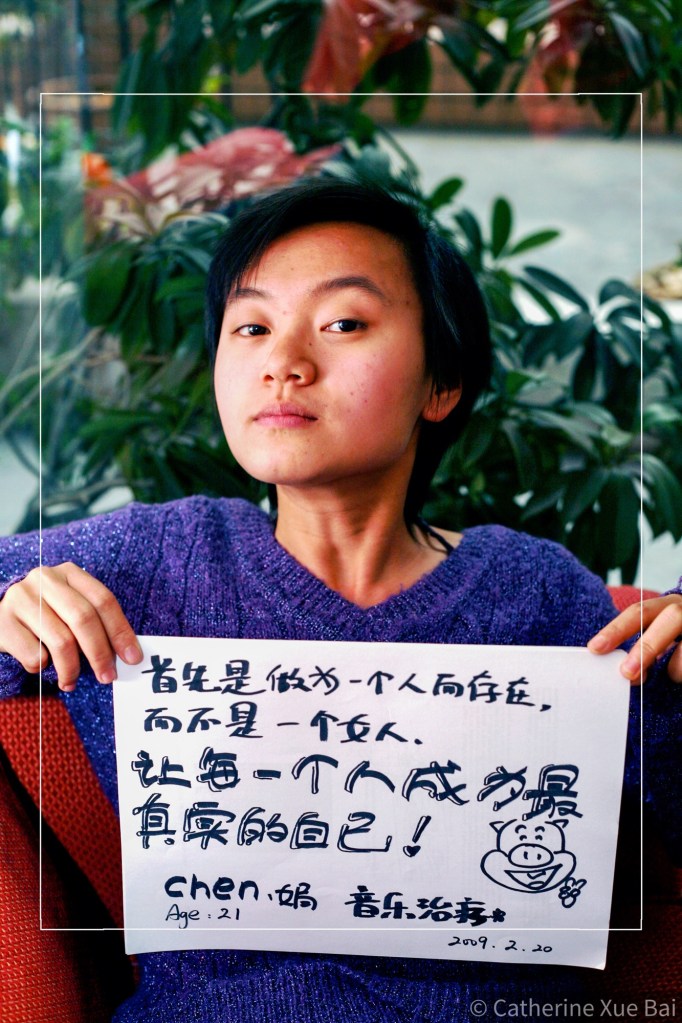
这张摄影作品不仅是一张简单的肖像,更是一种艺术语言对真实与自我存在的探索。从摄影和艺术的角度出发,这幅作品展现了人物、环境、文字三者之间的深层关系,为观者提供了丰富的解读空间。
人物与表情:真实与自信的传递
照片中的人物以直接的眼神直视镜头,呈现出一种从容与坚定的姿态。她的面部表情没有任何掩饰,既没有夸张的情绪,也没有刻意的微笑,而是一种冷静却充满力量的自信。这种自然的表达将观者的注意力引向她的内在世界,而非外在的修饰。
从艺术角度看,这种直视镜头的拍摄方式突破了传统肖像摄影中人物“被观看”的模式,而是赋予了主体一种主动性。她不仅仅是镜头下的被动对象,而是参与者,是自我表达的主体。这种主动性的视觉语言直接强化了照片的主题:“做最真实的自己”。
环境与构图:内外平衡的呈现
摄影作品的背景以植物为主,提供了一种自然和生命力的象征。植物的存在与人物形成一种微妙的对话:一方面,植物的自然生长暗示了“真实”的生命力;另一方面,绿植的柔和感衬托了人物的冷峻,形成对比。这种柔与刚、自然与人为的对比为画面注入了层次感。
在构图上,人物被放置在画面中央,显然是焦点所在。同时,手中白色的纸张成为视觉的第二焦点,吸引观者去解读上面的文字。这种构图方法并不复杂,但通过明确的视觉层次强化了艺术的叙事性。
文字的加入:图像与文本的融合
照片的独特之处在于它不仅仅依赖图像表达,还通过文字传递思想。纸上的文字成为作品的核心,它为画面赋予了明确的语义,引导观者深入思考:“什么是做真实的自己?”
在艺术创作中,图像与文本的结合往往会创造多重维度的表达。这种“混合媒介”的方式让这张照片不仅仅停留在视觉艺术的层面,而是扩展到观念艺术的领域。通过文字,观者不仅看到了一个具体的个体,还接触到了一种哲学性的思考——关于存在、关于真实。
光线与色彩:内在情绪的渲染
从光线和色彩的处理来看,这张照片显然追求一种朴实和自然的风格。柔和的自然光使人物的肤色呈现出健康的质感,突出了照片的真实性。同时,深紫色的衣服为画面注入了一种沉静而内敛的情绪,与背景的绿色植物形成微妙的调和。
色彩在艺术中不仅仅是视觉元素,更是情绪的载体。紫色通常代表思考与内省,绿色象征生机与成长。这种色彩的搭配进一步增强了作品的思想深度。
摄影的意义:超越个体的普遍性
这张照片虽然聚焦于一个具体的个体,但其艺术意义却远远超越了个人。摄影师通过这一瞬间传递了一种普世的价值观——关于真实、关于自我、关于人类存在的本质。这种超越个人的普遍性,使得作品具备了一种超时间和文化的魅力。
总结:影像的哲学性表达
从摄影的角度看,这张作品不仅仅是一次人像拍摄,而是一次深刻的自我探索和表达。它通过人物的神态、环境的细节、文字的融入以及光线与色彩的选择,达到了视觉与思想的双重统一。
无论是作为一幅艺术品,还是作为一种对话的开始,这张作品都在提醒我们:艺术的最终目的不是装饰,而是让人看到自己、看到世界。这张照片通过最简单的元素完成了这一使命——它既是个体的,也是普世的;既是视觉的,也是哲学的。
L’exploration artistique de l’identité
Cette photographie est bien plus qu’un simple portrait : elle incarne une réflexion artistique sur la vérité de soi et l’existence humaine. À travers la composition, l’expression et le texte, cette image invite le spectateur à s’interroger sur le concept de l’authenticité.
Le sujet et l’expression : une affirmation de soi
Le personnage principal, avec son regard direct vers l’objectif, exprime une confiance calme et inébranlable. L’absence de sourire ou d’exagération émotionnelle transmet une honnêteté brute, presque provocante. Ce choix exprime une volonté de se montrer tel que l’on est, sans masque ni artifice.
Dans un contexte artistique, cette interaction directe avec la caméra renverse la dynamique traditionnelle du spectateur et du sujet. Ici, le personnage n’est pas un objet passif : il devient acteur de son image et force le spectateur à entrer dans une conversation visuelle. Cette approche illustre parfaitement le message central : “Être soi-même avant tout.”
Le décor et la composition : l’équilibre entre nature et humanité
L’arrière-plan végétal apporte une couche supplémentaire de signification. Les plantes, symboles de croissance et de vitalité, contrastent avec l’attitude réfléchie et posée du sujet. La tension entre l’organique et l’humain souligne l’idée de se développer naturellement tout en restant ancré dans une vérité intérieure.
La composition, centrée sur le personnage et le message écrit, guide le regard du spectateur de manière simple mais efficace. L’équilibre entre le sujet, le décor et le texte reflète un dialogue entre la spontanéité de la nature et l’intention artistique.
L’ajout de texte : une fusion entre image et mot
Ce qui distingue cette photographie est l’intégration du texte écrit à la main. L’inscription sur la feuille blanche ne se limite pas à un simple élément visuel : elle apporte une narration explicite et ouvre une dimension conceptuelle. Le spectateur est ainsi encouragé à réfléchir non seulement sur ce qu’il voit, mais aussi sur ce qu’il lit.
Dans le domaine de l’art contemporain, ce mélange de média – image et texte – est une méthode puissante pour évoquer des thèmes complexes. Ici, les mots et l’image s’enrichissent mutuellement, transmettant une philosophie de vie universelle : “Être vrai envers soi-même.”
Lumière et couleurs : des émotions subtiles
La lumière douce et naturelle met en valeur le visage du personnage et ses imperfections, accentuant encore la sincérité du portrait. Les nuances de violet et de vert apportent une atmosphère de calme et de réflexion. Le violet, souvent associé à l’introspection, contraste harmonieusement avec le vert vibrant, symbole de renouveau et d’énergie.
Un message universel à travers un portrait individuel
Bien que centrée sur un individu, cette photographie transcende les limites personnelles pour toucher des thèmes universels. Elle évoque des réflexions philosophiques sur l’identité, l’authenticité et la relation entre l’être humain et son environnement. Cette combinaison unique de portrait intime et de message universel donne à l’œuvre une résonance intemporelle.
The Artistic Exploration of Identity
This photograph is much more than a simple portrait: it is an artistic reflection on truth and human existence. Through its composition, expression, and text, this image invites the viewer to ponder the concept of authenticity.
The Subject and Expression: A Declaration of Self
The subject’s direct gaze into the camera conveys calm confidence and unshakable self-assurance. The lack of a smile or exaggerated emotion portrays a raw, almost provocative honesty. This choice emphasizes the desire to be seen as one truly is, without masks or artifice.
From an artistic perspective, this direct interaction with the camera subverts the traditional dynamic between viewer and subject. Here, the subject is not a passive object but an active participant in their portrayal, compelling the viewer to engage in a visual conversation. This approach perfectly aligns with the central message: “To be oneself above all else.”
Setting and Composition: The Balance Between Nature and Humanity
The plant-filled background adds another layer of meaning. The natural growth of the plants symbolizes vitality and authenticity, contrasting with the subject’s composed and reflective demeanor. This tension between the organic and the human underscores the idea of growing naturally while staying true to one’s inner self.
The composition, with its central focus on the subject and the handwritten message, directs the viewer’s attention in a simple yet effective way. The balance between the subject, background, and text reflects a dialogue between spontaneity and artistic intention.
The Text: A Fusion of Image and Word
What sets this photograph apart is the inclusion of handwritten text. The inscription on the white paper is not merely a visual element; it adds explicit narrative and opens a conceptual dimension. The viewer is encouraged not only to observe but also to engage with the written message.
In contemporary art, this blending of media—image and text—is a powerful way to evoke complex themes. Here, the words and the image enrich each other, conveying a universal philosophy: “Be true to yourself.”
Light and Color: Subtle Emotional Resonance
The soft, natural lighting highlights the subject’s face and its imperfections, further emphasizing the sincerity of the portrait. The hues of purple and green create an atmosphere of calm and reflection. Purple, often associated with introspection, contrasts harmoniously with the vibrant green, a symbol of renewal and vitality.
A Universal Message Through an Individual Portrait
Although centered on an individual, this photograph transcends personal boundaries to explore universal themes. It invites philosophical reflections on identity, authenticity, and the relationship between humans and their environment. This unique combination of intimate portraiture and universal messaging gives the work timeless resonance.
 O ART
O ART 